Research that secured investment in an AI tool used by millions


Summary
AI development begins with listening, observation, and respect for the people whose lives it touches.
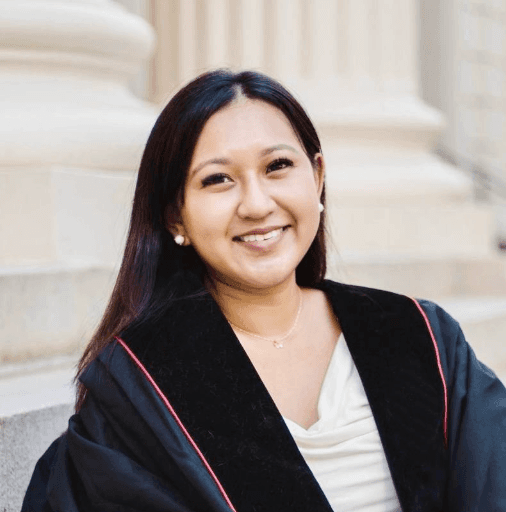
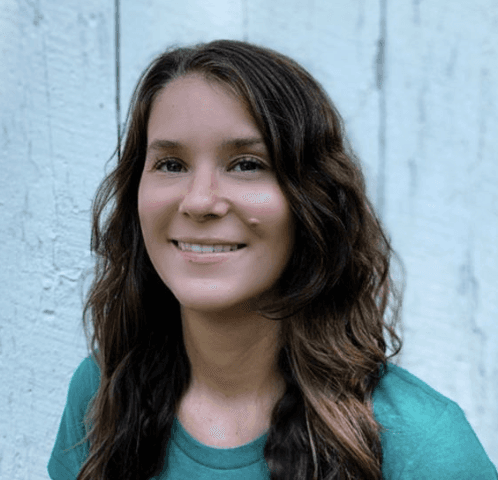
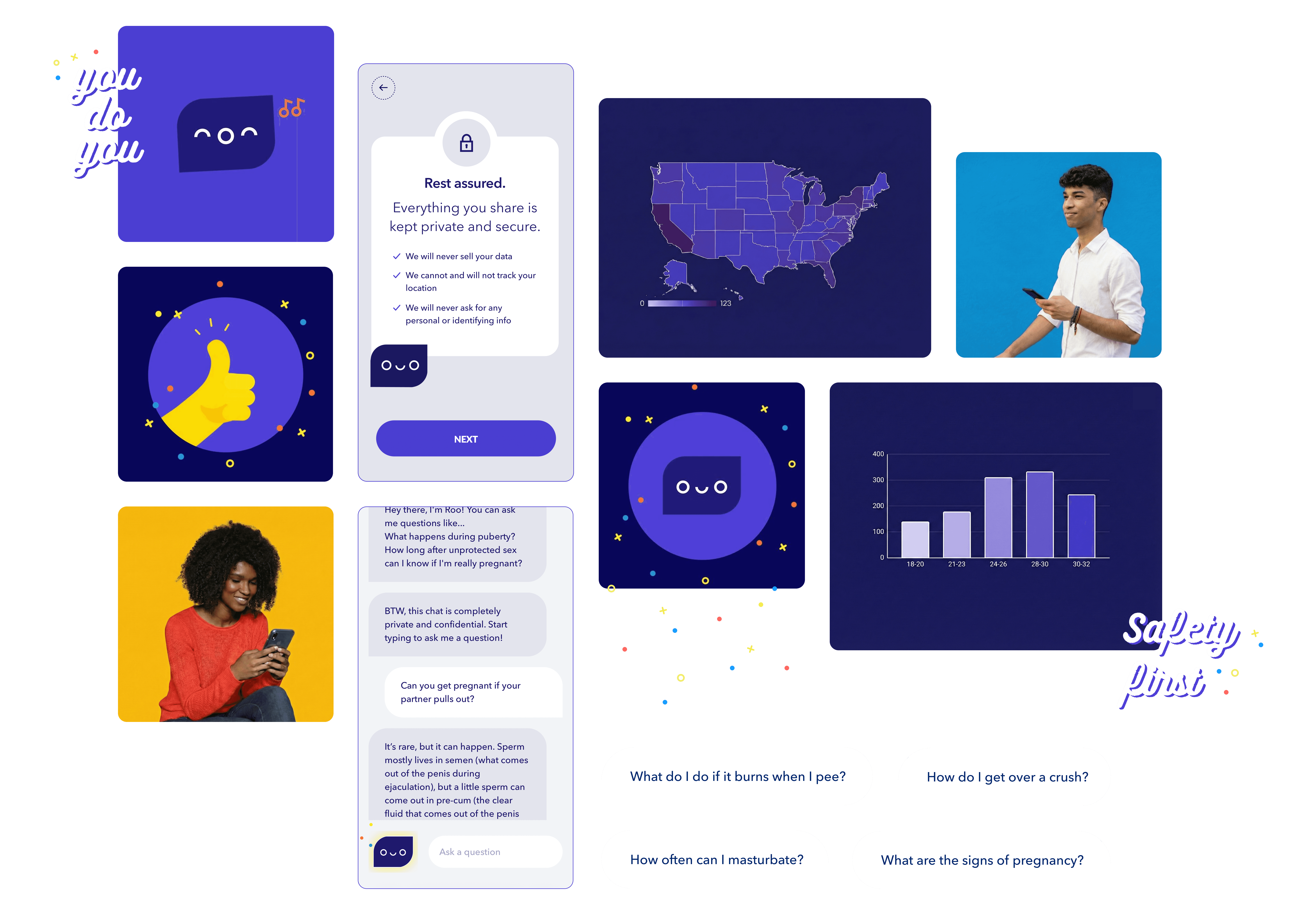
At a moment when AI adoption in healthcare was accelerating, Planned Parenthood lacked the research needed to guide responsible investment. An existing AI education chatbot, Roo, supported millions of users seeking sexual and reproductive health information, yet key questions about user expectations for AI remained unanswered. I initiated and led a research partnership with Divya S from the University of Georgia. The studies provided our team with a clear foundation for building on an existing AI product.

1,200+
Total research participants
+5
Core insights
+3
Research publications
+2
New research-informed initiatives
Summary
AI development begins with listening, observation, and respect for the people whose lives it touches.
At a moment when AI adoption in healthcare was accelerating, Planned Parenthood lacked the research needed to guide responsible investment. An existing AI education chatbot, Roo, supported millions of users seeking sexual and reproductive health information, yet key questions about user expectations for AI remained unanswered. I initiated and led a research partnership with Divya S from the University of Georgia. The studies provided our team with a clear foundation for building on an existing AI product.
1,200+
Total research participants
+5
Core insights
+3
Research publications
+2
New research-informed initiatives
Constraints
Where we started
Where we started

Organizational risk and pace
As a large, high-profile healthcare organization, Planned Parenthood operates under strict legal and security review. This slowed approvals and required careful coordination to protect the organization from external risk.

Limited research budget
We aimed to reach a large, national sample, but cost and resourcing constraints required creative funding strategies and tradeoffs to make this large-scale research feasible.
Industry and academia differences
The project bridged industry and academic research norms. Aligning timelines, expectations, and methodologies required ongoing communication to ensure the work met both product and academic standards.
Phase 1
Turning ambiguity into direction
Turning ambiguity into direction
AI was already embedded in a product used by millions, but there was no shared understanding of how it should evolve responsibly. I recognized this gap and took action. I shaped the research vision, secured funding, and built a relationship with Divya S, a PhD student at the University of Georgia. Divya’s work explores how conversational agents and AI-driven technologies can advance health, strengthen interpersonal relationships, and support well-being. Along the way, we navigated legal, data, and organizational constraints while staying grounded in a shared goal: learning how to guide the next evolution of AI education products.
AI was already embedded in a product used by millions, but there was no shared understanding of how it should evolve responsibly. I recognized this gap and took action. I shaped the research vision, secured funding, and built a relationship with Divya S, a PhD student at the University of Georgia. Divya’s work explores how conversational agents and AI-driven technologies can advance health, strengthen interpersonal relationships, and support well-being. Along the way, we navigated legal, data, and organizational constraints while staying grounded in a shared goal: learning how to guide the next evolution of AI education products.
Bridging industry and academia, one conversation at a time
Bridging industry and academia, one conversation at a time
Phase 2
Bridging research, product, and people
Bridging research, product, and people
Once the work was underway, I partnered closely with Divya S as she led the academic research, providing ongoing feedback to ensure the research translated effectively into UX decisions. At the same time, I created space for Elise Gust to step into greater leadership. Elise led ideation and prototyping, while I provided feedback and direction throughout the process. My role shifted between bridging academic and industry perspectives and ensuring both collaborators had the support they needed to succeed.
Once the work was underway, I partnered closely with Divya S as she led the academic research, providing ongoing feedback to ensure the research translated effectively into UX decisions. At the same time, I created space for Elise Gust to step into greater leadership. Elise led ideation and prototyping, while I provided feedback and direction throughout the process. My role shifted between bridging academic and industry perspectives and ensuring both collaborators had the support they needed to succeed.
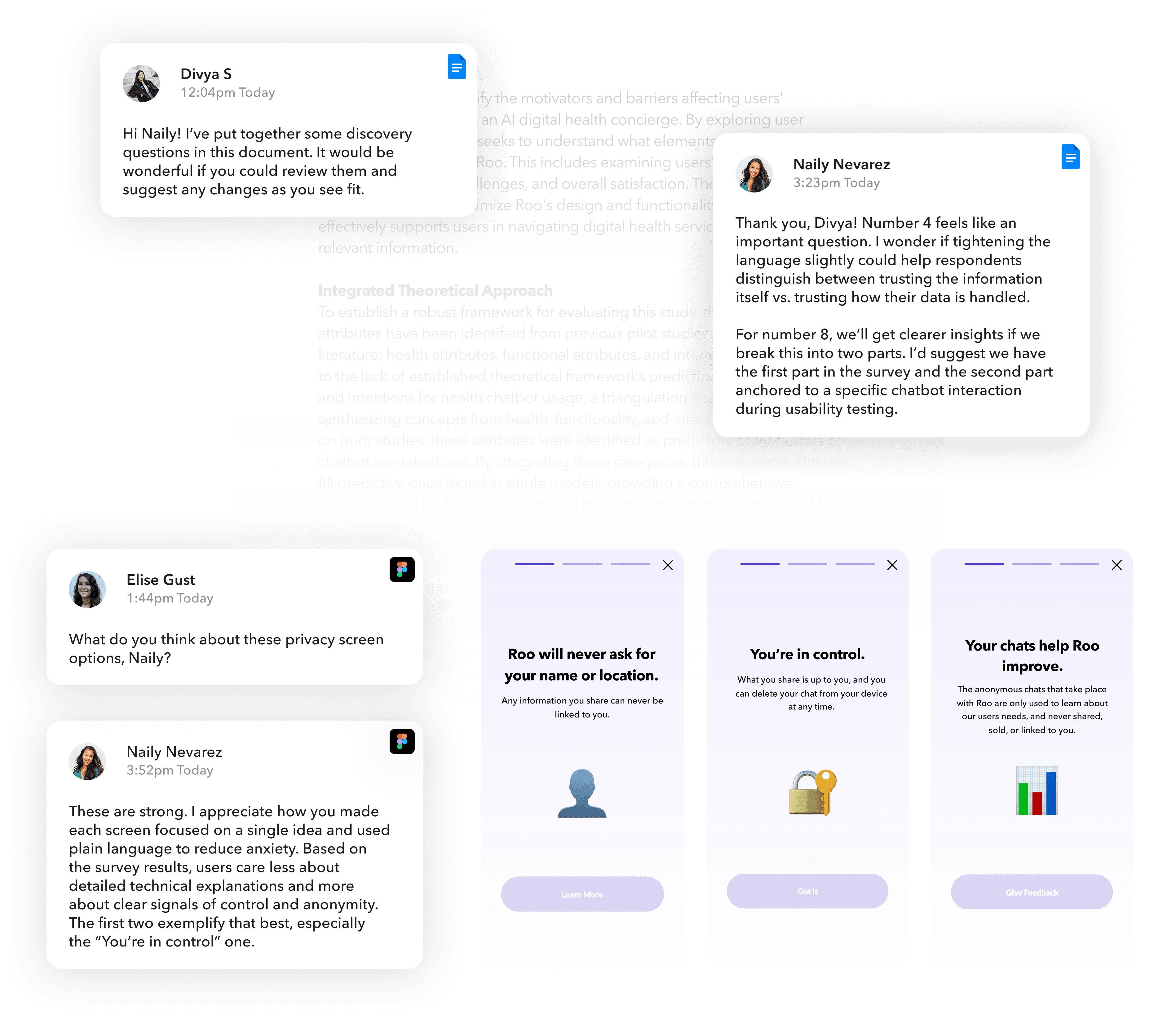
Shaping the work together
Shaping the work together
Phase 3
From insights to investment
From insights to investment
The research answered key questions and shifted the conversation. Insights were translated into feature concepts, tested through usability research, and carried into a future roadmapping session to guide what should be built. More importantly, the work restored confidence in an underleveraged product and re-centered the team around its purpose. This unlocked continued financial investment in Roo later that year.
The research answered key questions and shifted the conversation. Insights were translated into feature concepts, tested through usability research, and carried into a future roadmapping session to guide what should be built. More importantly, the work restored confidence in an underleveraged product and re-centered the team around its purpose. This unlocked continued financial investment in Roo later that year.
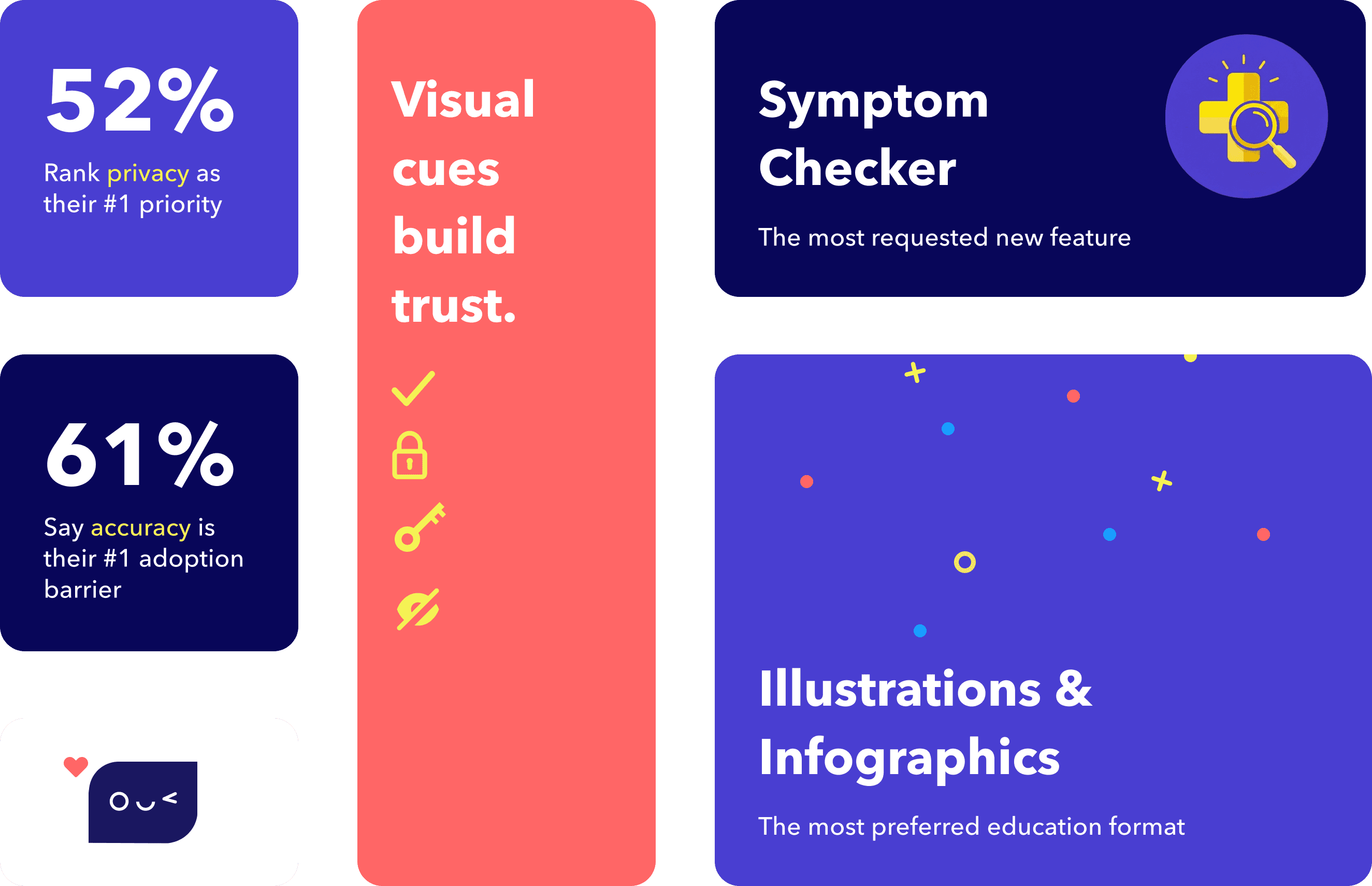
Letting user needs guide AI decisions
Letting user needs guide AI decisions